Trump waives most sanctions and tariffs in new Russia law before they could take effect
An executive order published Oct. 21 sets aside most of the penalties in the Graham Act, a month after the president signed it, drawing criticism from lawmakers in both parties.
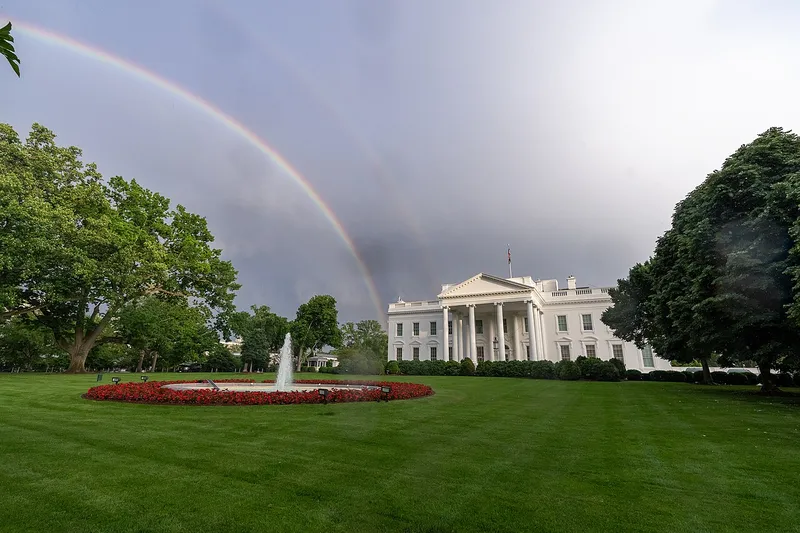
President Donald Trump has waived most of the sanctions, tariffs and restrictions in the Lindsey O. Graham Sanctioning Russia and Iran Act of 2026, a law he signed only a month earlier, according to an executive order formally published in the Federal Register on Oct. 21.
Executive Order 14436, signed Oct. 16, first lays out the tariff increases the law calls for, then sets them aside. It says duties on goods from Russia would rise by 500 percent ad valorem and that goods from the five largest buyers of Russian crude oil and natural gas, and from the five top facilitators of Russian oil sanctions evasion, would face 100 percent increases. In the same order, the president states: “I hereby waive the application of any duties provided for in sections 112 and 113 of the Graham Act or this order.”
The order also waives the law’s sanctions on foreign persons under several sections. It says a certification was sent to Congress that the waivers are in the national interests of the United States, along with a report explaining the basis for that certification. The report itself was not included in the published order. The waivers stay in place until the president or the secretary of state, consulting with the Treasury secretary and the U.S. trade representative as appropriate, decides “further action is appropriate,” the order says.
The order states that it does not affect sanctions already imposed under earlier executive orders tied to the Russia-related national emergency.
What the law required
The Senate passed the measure 86-11 on Aug. 7, according to Sen. Kevin Cramer, R-N.D., a cosponsor. His office said Sen. Lindsey Graham, R-S.C., had finalized an agreement with the White House on the package before he died on July 11. The House passed it 262-159 on Sept. 16, ABC News reported. House Democratic leaders opposed it, saying it gave the president too much power, including new tariff authority, and seven Republicans also voted no. The executive order states Trump signed the bill into law on Sept. 18.
According to a King & Spalding analysis, the law directed duties of up to 100 percent on imports from countries that knowingly made new purchases of Russian crude or gas within 30 days of enactment after ranking among the top five importers. It also extended the Iran Sanctions Act of 1996 for five years and allowed the president to waive any sanction, duty or restriction by certifying to Congress that doing so is in the national interest. The order’s text does not address the Iran provisions beyond the law’s title.
The measures were due to take effect Oct. 18, according to Radio Free Europe/Radio Liberty.
Diesel prices and reaction
The waiver followed a separate arrangement under which Russia agreed to supply diesel to global markets in an effort to lower fuel prices, Reuters reported. Reuters said higher costs facing Americans have been largely attributed to the U.S.-Israeli war on Iran. Analysts told Reuters the new tariffs could have pushed oil prices higher weeks before the November midterm elections.
Speaking at Mar-a-Lago on the evening of Oct. 17, Trump said his decision would be good for the country, according to the Press Trust of India.
Criticism came from both parties. Sen. Thom Tillis, R-N.C., called the move irresponsible and accused the administration of capitulating to Russian President Vladimir Putin, while Sen. Elizabeth Warren, D-Mass., said Trump was ignoring Congress and urged colleagues to reverse the decision, PTI reported. Rep. Don Bacon, R-Neb., said on social media that the president was prolonging the war, and Sen. Richard Blumenthal, D-Conn., a co-author of the bill, said the waivers had nothing to do with national security, according to RFE/RL. Rep. Don Beyer, D-Va., called the waiver a surrender to Putin, Reuters reported.
Ukrainian President Volodymyr Zelenskyy called the decision unfortunate, RFE/RL reported, while Kirill Dmitriev, Putin’s investment envoy, praised it, according to Reuters.
Rep. Gregory Meeks of New York, the top Democrat on the House Foreign Affairs Committee, introduced bipartisan legislation on Oct. 16 aimed at blocking the administration’s proposed diesel deal with Russia, RFE/RL reported.
Sources
- Implementing the Lindsey O. Graham Sanctioning Russia and Iran Act of 2026 (Executive Order 14436), Federal Register, Oct. 21, 2026.
- Senate Approves Sweeping Russia Sanctions Bill, Office of Sen. Kevin Cramer, Aug. 7, 2026.
- New Sanctions and Tariff Power Under the Lindsey O. Graham Sanctioning Russia and Iran Act of 2026, King & Spalding, Sept. 22, 2026.
- House passes Russia, Iran sanctions bill championed by late Sen. Graham, ABC News / Good Morning America, Sept. 17, 2026.
- Trump waives key Russia-related sanctions, tariffs before they take effect under new law, Reuters, via TimesLIVE, Oct. 17, 2026.
- Trump waives Graham Act sanctions on Russia, Radio Free Europe/Radio Liberty, Oct. 17, 2026.
- 'Many don't know what my decision is': Trump on sanctions waiver to Russia, Press Trust of India, via ThePrint, Oct. 18, 2026.
Patriot Today Editorial reports from primary documents and named sources. Spotted an error? Write to info@atlasmedianetwork.org — see our corrections policy.